White Cute Bear Embroidery Review
As a designer who spends half my life staring at stitch charts and the other half trying to sell finished goods, I don’t just look for "cute." I look for viability. I look for designs that translate well from screen to fabric, that hold up in the wash, and that justify the price point of a handmade product. Recently, I put the White Cute Bear embroidery design through its paces to see if it belongs in my library for client work and small business inventory.
The premise is simple: a clean, white teddy bear motif intended for home decor, clothes, accessories, and bedsheets. The description warns against resizing or editing, which immediately raises a flag for any serious embroiderer. In this review, I break down how this machine embroidery design performs in real-world scenarios, where it shines, and where it might fail you.
First Impressions and Visual Personality
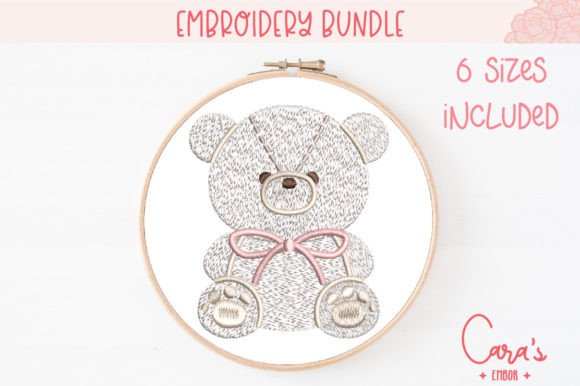
When you first load the embroidery file, the White Cute Bear strikes a balance between minimalist charm and traditional nostalgia. It isn’t overly complex with excessive detailing that might get lost on a busy fabric, nor is it so sparse that it looks unfinished. The visual personality is warm, inviting, and universally appealing.
This kind of imagery works exceptionally well for brands aiming for a soft, approachable aesthetic. Whether you are building a boutique nursery line or creating cozy winter merchandise, the mood here is consistent. It feels like a design that belongs in a high-end craft fair booth or a curated Etsy shop focused on gentle, timeless aesthetics. The shape is recognizable instantly, which is crucial for brand consistency when customers are scrolling quickly through digital feeds.
Real-World Application: Where It Shines
I tested this design across several common use cases to determine its versatility. Here is where the White Cute Bear design truly excels:
- Custom Apparel and Sweatshirts: Placed on the chest of a heavyweight cotton sweatshirt, the design pops without overwhelming the garment. The clean lines of the bear work beautifully against the texture of fleece or jersey knit. It creates an immediate sense of comfort, making it a top contender for sweatshirt embroidery projects aimed at young adults or parents.
- Baby Items and Nursery Decor: This is perhaps the strongest use case. On a muslin swaddle, a hooded towel, or a crib sheet, the white bear offers a subtle contrast that is gentle on the eyes. It fits perfectly into the "gender-neutral" trend that dominates modern parenting markets. As a baby embroidery project, it conveys care and safety.
- Tote Bags and Canvas Goods: For the craft business owner, adding this to canvas tote bags is a low-risk, high-reward move. The design’s simplicity means it doesn’t require perfect alignment to look good. It adds a touch of whimsy to utilitarian items, making them more gift-worthy.
- Kitchen and Home Textiles: Tea towels, aprons, and pillow covers benefit from this design’s unpretentious nature. A White Cute Bear on a linen kitchen towel suggests a cozy, lived-in home. It appeals to buyers looking for personalized gifts that feel personal but not overly sentimental.
Technical Performance and Stitch Quality
From a technical standpoint, the execution of the embroidery project relies heavily on how the machine handles the specific stitch types used. While exact stitch counts vary by digitization software, the design appears to utilize a mix of fill stitch for the body and satin stitch for outlines or facial features.
The key advantage here is likely the moderate stitch density. High-density designs can make fabrics stiff and prone to puckering, especially on thin materials. If this design maintains a lighter hand, it will be far superior for delicate fabrics like baby clothes or sheer curtains. However, because the instructions advise against resizing, you must ensure your hoop size matches the original digitization intent. Stretching a design that wasn't meant to be enlarged can distort proportions, turning a cute bear into a blobby mess.
For those using this as a digital embroidery file for print-on-demand or mockup creation, the vector-like clarity of the shapes ensures it looks professional even in static images. Buyers trust designs that look crisp in previews; a muddy or pixelated preview kills conversion rates.
Where to Exercise Caution
No design is perfect, and White Cute Bear has limitations you need to know before committing to production runs:
- Fabric Contrast: Since the primary subject is white, this design will disappear on light-colored fabrics unless there is significant color contrast in the thread (e.g., black or dark grey outlines). It demands careful thread colors selection. It is best suited for darker backgrounds or fabrics where the white thread stands out clearly.
- Small Hoop Sizes: Attempting to fit this into a very small hoop (under 4 inches) risks losing detail. Tiny facial features or paw pads may become indistinguishable. Stick to mid-range hoops for optimal clarity.
- Textured and Stretchy Fabrics: Avoid using this on highly textured bouclé fabrics or extremely stretchy spandex blends without proper stabilization. The design relies on smooth surfaces to show off its clean lines. On curved surfaces like caps, ensure the cap form is sturdy to prevent distortion.
- Dense Stitch Areas: If the bear has large fill areas, check for underlay stitches. Poor underlay can cause the fabric to pucker around the edges of the bear, giving a cheap finish to what should be a premium handmade product.
Practical Designer Notes for Production
Before you start churning out commercial embroidery items, follow these steps to protect your reputation:
- Test on Scrap Fabric: Always run a test stitch on the actual fabric you plan to use. This reveals issues with tension, thread breakage, or stabilizer choice that you cannot see on a computer screen.
- Check Stabilizer Choice: For lightweight fabrics, use a cut-away stabilizer to prevent shifting. For heavier items like denim jackets, a tear-away might suffice, but stability is key to maintaining the bear’s shape.
- Review Licensing: The product description mentions that quality cannot be guaranteed if resized. More importantly, verify the commercial license terms. Can you sell unlimited finished items? Is there a cap on units? As an Etsy seller or small shop product creator, understanding these rights prevents legal headaches later.
- Black and White Mockups: View the design in grayscale. This helps you assess the contrast and value of the design independent of color. If it looks flat in black and white, it might lack visual impact in color too.
Final Verdict
The White Cute Bear is a solid addition to any designer’s toolkit for home decor and apparel decoration. It is not a flashy, avant-garde piece, but it is reliable, marketable, and emotionally resonant. It works best when paired with contrasting threads and stable fabrics.
For the creative entrepreneur looking to expand their catalog with safe, popular themes, this design delivers. It supports the narrative of handmade care and attention to detail. Just remember: respect the original dimensions, choose your fabric wisely, and always prioritize stitch quality over speed. When executed correctly, a simple white bear can become one of your best-selling finished products.