Number One Cute Teddy Bear Design Review
In the world of small business branding, every stitch tells a story. As an experienced embroidery designer, I spend my days evaluating digital assets not just for their aesthetic appeal, but for their viability in commercial production. Today, we are reviewing the Number One Cute Teddy Bear, a design that promises to bring a touch of whimsy and warmth to branded merchandise. This review is tailored for Etsy sellers, boutique owners, apparel decorators, and craft entrepreneurs who need reliable, high-impact designs for their product lines.
First Impressions: The Handmade Aesthetic
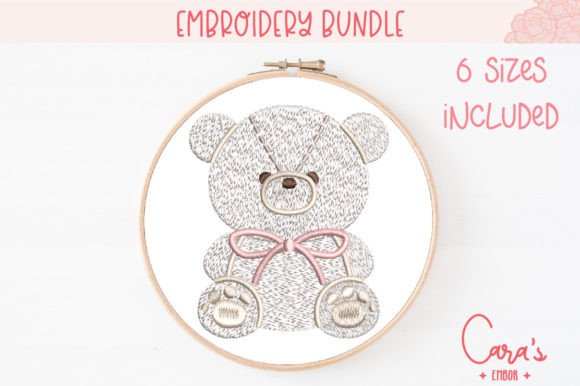
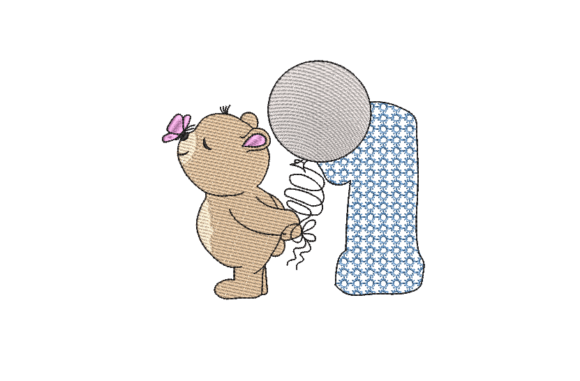
The title, Number One Cute Teddy Bear, immediately suggests a playful, approachable vibe. However, as professionals, we look beyond the name to the technical execution described in the product details. The description highlights that this sketch is designed to look hand-drawn and is lightly filled with little to no underlay. For a designer, this is a significant indicator of quality and efficiency.
Visually, the design likely leans towards a rustic, friendly, or classic handmade presentation rather than a bold, modern corporate logo. The "sketch" style implies loose, organic lines that mimic the charm of a quick pencil drawing. This aesthetic is incredibly popular in the current market trend toward authentic, artisanal branding. It feels premium yet accessible, perfect for businesses that want to convey warmth and personal care. Whether you are running a cozy café, a handmade jewelry shop, or a creative studio, this design adds a layer of personality that standard geometric logos often lack.
Real-World Business Applications
When evaluating a machine embroidery design for commercial use, I always ask: where will this live on the final product? The Number One Cute Teddy Bear is versatile enough to serve multiple roles in a small business merchandising strategy.
- Embroidered Patches: Because the design is lightly filled, it stitches out quickly. This makes it an excellent candidate for iron-on or sew-on patches. These patches can be used as branding accents on denim jackets, backpacks, or tote bags, offering customers a customizable way to engage with your brand.
- Staff Uniforms and Aprons: For bakeries, florists, or pet brands, staff appearance is crucial. Placing this design on the chest of an apron or a work shirt creates a friendly, welcoming image for customers. It signals that your team is approachable and passionate about their craft.
- Caps and Headwear: Cap embroidery is a staple for local businesses. The simple, sketch-like nature of the bear means it likely translates well to the curved surface of a cap front. It offers a subtle branding element that doesn’t overpower the garment.
- Tote Bag Design: Tote bags remain one of the most effective forms of mobile advertising. A lightly stitched teddy bear on a canvas tote is lightweight, ensuring the bag remains comfortable to carry while still displaying your brand identity prominently.
- Product Packaging Accents: Beyond apparel, this design can be applied to gift tags, packaging boxes, or product labels. It elevates the unboxing experience, making customers feel they are receiving a handmade, curated item.
Impact on Brand Identity and Customer Trust
Using a design like Number One Cute Teddy Bear directly influences how your audience perceives your brand. In an era where consumers crave authenticity, a hand-drawn aesthetic communicates effort and care. It suggests that your business values the "handmade" touch, even if the production is automated via machine embroidery. This visual consistency helps build customer trust and recognition. When buyers see this specific character repeatedly across different touchpoints—caps, bags, and uniforms—it reinforces your brand’s personality as fun, trustworthy, and detail-oriented.
Technical Considerations and Potential Pitfalls
While the design sounds promising, there are critical technical aspects to consider before committing to large-scale production. The description notes that the design has "no or little underlay." While this speeds up stitching, it can lead to stability issues on certain fabrics. Underlay stitches anchor the fabric and provide a base for top stitches. Without sufficient underlay, the design may pucker or shift during the embroidery process.
Furthermore, the instruction that resizing or altering the design is not recommended is a major constraint. Embroidery files do not scale linearly like vector graphics. Reducing a design too much can cause threads to clump, while enlarging it may distort the intended proportions. You must use the file at its original intended size to maintain the integrity of the sketch lines.
Where to Use Carefully
There are specific scenarios where this design might struggle:
- Small Patch Sizes: If you attempt to embroider this on a patch smaller than 2 inches, the fine sketch lines may become indistinct or merge together. Always test the smallest intended size first.
- High Stitch Density Areas: Although lightly filled, ensure that any dense outlines do not create stiff spots on soft fabrics like jersey or thin cotton.
- Dark Uniforms: The contrast of the thread colors against dark backgrounds is vital. A light sketch style might get lost on black fabric unless bright, contrasting thread colors are used.
- Frequent Washing: Items that require heavy-duty washing (like industrial kitchen aprons) may suffer from thread wear if the design lacks robust anchoring. For delicate items like tote bags or caps, this is less of a concern.
Practical Designer Notes for Production
To ensure the embroidered patch or garment looks professional, follow these steps before full production:
- Test in Black and White: Convert the design to monochrome to check the balance of negative space. Does the sketch hold up without color distraction?
- Check Thread Color Contrast: Select thread colors that pop against your target fabric. Light gray thread on white fabric will disappear; choose a darker shade for visibility.
- Inspect Spacing and Hoop Size: Confirm that the design fits within your standard hoop size. Ensure there is adequate spacing between elements so the needle doesn't hit itself during complex moves.
- Use Proper Stabilizer: Given the lack of underlay, use a cut-away stabilizer for woven fabrics to prevent distortion, or a tear-away for non-wovens, depending on the material.
- Create a Printable Mockup: Before stitching, generate a printable mockup to show clients or stakeholders. This helps visualize the final product and secure approval.
- Confirm Commercial Licensing: Most importantly, verify that you have the right to sell products featuring this digital embroidery file. Ensure the license terms allow for commercial merchandise creation.
Final Verdict
The Number One Cute Teddy Bear is a strong asset for small business merch creators looking to add a touch of charm to their inventory. Its hand-drawn aesthetic aligns perfectly with the current demand for authentic, handmade-style branding. By understanding its technical limitations—specifically regarding resizing and underlay—you can leverage this design effectively for caps, tote bags, and branded patches. With careful testing and proper execution, this design can significantly enhance your brand’s visual appeal and customer engagement.