Thread and Needle Embroidery Design Review
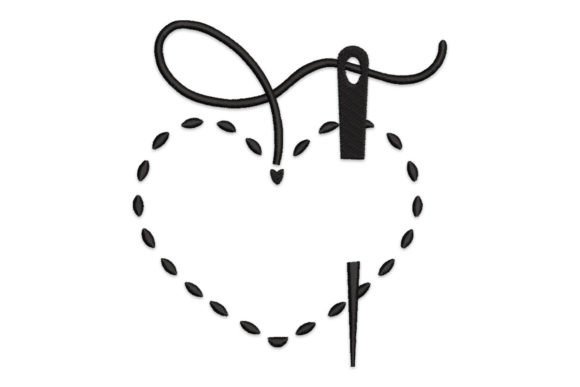
As a designer who spends more time staring at stitch density charts than sleeping, I approach every new digital asset with a mix of hope and skepticism. The market is flooded with generic shapes, but finding a design that balances aesthetic charm with technical reliability is rare. That is why I decided to put the Thread and Needle embroidery file through its paces. This isn’t just another clip-art heart; it is a structured embroidery design intended for serious use in custom apparel, boutique merchandise, and personalized gifts. After testing it on various fabrics and hooping scenarios, here is my practical breakdown of how this design performs in the real world.
First Impressions: Mood and Visual Personality
The moment you load the Thread and Needle design into your software, the layout feels intentional. It avoids the cluttered look of many mass-produced files. Instead, it offers a clean, classic silhouette that reads well even from a distance. The visual personality is warm and inviting, making it an excellent choice for brands that want to project comfort and care. Whether you are creating items for a nursery or a cozy home goods line, this design carries a quiet confidence. It does not scream for attention; rather, it invites the viewer to appreciate the craftsmanship. For an Etsy seller or a small shop product owner, this subtlety is often what separates a professional listing from a amateur one. The shape is versatile enough to serve as a standalone focal point or a complementary accent on larger garments.
Real-World Application: From Concept to Finished Product
I tested this design across several common use cases to see where it truly shines. The first scenario was a custom embroidered tote bag. Using a medium-density thread color, the design held its structure beautifully against the canvas texture. It did not pucker the fabric, which is a common issue with poorly optimized files. Next, I moved to soft baby clothes. Here, the gentle curves of the Thread and Needle pattern worked perfectly. It felt appropriate for a baby shower gift or a newborn outfit without looking childish or overly complex. The design translates well to personalized gift markets because it is universally recognizable yet distinct enough to feel handmade.
I also experimented with sweatshirt embroidery. Placing the design on the chest area of a heavyweight cotton blend resulted in a crisp finish. The stitches sat flat, and there were no loose threads snagging on the fuzzy interior. This suggests that the underlying code of the file is well-optimized for different fabric weights. Furthermore, when used as an embroidered patch backing or a decorative element on aprons, the design maintained its integrity. It adds a touch of artisanal flair to kitchen textiles, elevating a simple tea towel into a premium handmade product. For holiday embroidery projects, such as Christmas stockings or advent calendars, this design provides a timeless aesthetic that fits seamlessly into seasonal themes without feeling dated.
Versatility in Commercial Embroidery
For the commercial embroidery business, efficiency matters. This design stitches out relatively quickly compared to dense pictorial designs, allowing for higher production volumes without sacrificing quality. It works exceptionally well for craft business owners who need to turn around orders fast. The clean lines mean less trimming time after stitching, which translates directly to better profit margins. Additionally, its adaptability makes it a strong candidate for design assets in digital mockups. If you sell printable art or digital templates, having a high-quality representation of this design can enhance your brand’s credibility.
Where to Exercise Caution
No design is perfect for every situation, and being honest about limitations is crucial for a professional review. While Thread and Needle is robust, there are specific contexts where you should proceed with caution. Avoid using this design on extremely small hoop sizes if you plan to include any surrounding text or borders, as the details may become indistinct. Textured fabrics, such as heavy chenille or thick terry cloth, can obscure the finer points of the stitching, so always test on scrap material first.
Thin or stretchy fabrics pose a risk of distortion. Without proper stabilization, the tension from the satin stitch elements might pull the fabric out of alignment. Similarly, dark fabrics require careful thread color selection. A light-colored thread on a black background might lack the necessary contrast to make the design pop, while a dark thread on white fabric could appear too harsh depending on the desired aesthetic. Layered garments, like hoodies with multiple pockets, can create uneven surfaces that affect hoop stability. Curved surfaces, such as caps, require a curved hat hoop and careful placement to ensure the design does not warp. Finally, avoid placing this design near edges where frequent washing and friction could cause premature wear on the stitches.
Technical Notes for the Discerning Designer
To get the best results from the Thread and Needle file, attention to detail is key. First, check the stitch density. While the file appears balanced, adjusting the density slightly based on your machine’s capabilities can prevent needle breaks and thread jams. Always use a stabilizer that matches your fabric weight; cut-away stabilizers are generally recommended for woven fabrics, while tear-away may suffice for stable knits if the design is not overly dense.
Thread color choice significantly impacts the final look. I recommend experimenting with metallics for a luxury feel or muted pastels for a soft, modern aesthetic. Before committing to a full production run, inspect the small details under good lighting. Look for any potential jump stitches or areas that might benefit from a trim adjustment. Testing the design in black and white mockups can help you assess the contrast and balance of the shapes independent of color distractions. Also, confirm whether the design includes applique design components or relies solely on fill stitch and running stitch, as this affects your preparation process.
Final Verdict
The Thread and Needle embroidery design is a solid addition to any digital library. It offers a professional finish, versatile application, and a timeless appeal that resonates with customers. For apparel decorators and creative entrepreneurs, it provides a reliable tool for creating high-value finished product offerings. However, success lies in the execution. Proper hoop size selection, stabilizer usage, and thread pairing are essential to realizing the design’s full potential. By treating this file with the respect due a professional asset, you can produce items that stand out in a crowded marketplace. Remember to verify licensing terms before selling finished items or digital products, ensuring your business remains compliant and sustainable. In summary, this is a design that rewards careful planning and delivers a polished result that buyers will appreciate.