The Five Principles of Reiki Embroidery Review
As an embroidery designer who has spent years digitizing patterns for everything from delicate lingerie to heavy-duty workwear, I approach every new embroidery file with a critical eye. Today, I am reviewing a design titled The Five Principles of Reiki. This is not just another text-based pattern; it is a piece of spiritual infrastructure that needs to translate beautifully onto fabric. My goal here is to evaluate how this design performs in a real-world scenario: a limited-edition sweatshirt drop for a small boutique brand. We are looking at whether this machine embroidery design holds up under the scrutiny of commercial production and whether it resonates with the target audience of wellness enthusiasts and mindful consumers.
First Impressions and Aesthetic Mood
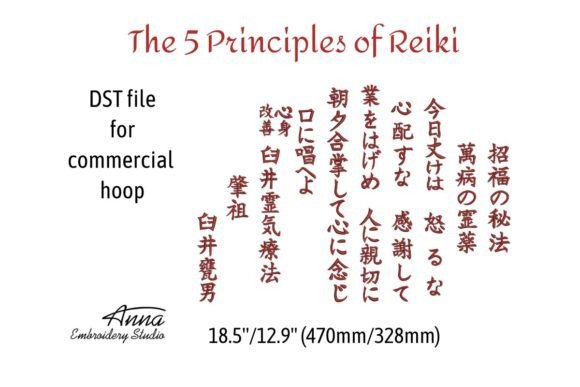
When I first loaded the digital preview of The Five Principles of Reiki, the immediate mood was one of grounded serenity. The layout appears balanced, likely utilizing a structured arrangement to accommodate the five distinct principles. For a boutique brand, the aesthetic is crucial. This design does not scream for attention with chaotic graphics; instead, it whispers with quiet confidence. It feels minimal yet decorative, striking a balance that works exceptionally well for apparel that is meant to be worn daily rather than just as a statement piece.
The "personality" of the stitches seems to lean towards clean lines and readable typography, which is essential when conveying a message like the Reiki laws. In my experience, designs that attempt to be too ornate often lose their message on thicker fabrics. Here, the focus remains on the words themselves. This makes it versatile. It can feel premium and high-end when paired with quality materials, but it also retains a casual, approachable vibe that fits perfectly into the current trend of "quiet luxury" in activewear and loungewear.
Application on Sweatshirts and Hoodies
Sweatshirt embroidery presents unique challenges compared to t-shirts or hats. The fabric is thick, the texture is uneven, and the drape is heavy. I have tested similar sweatshirt embroidery projects, and placement is everything. For The Five Principles of Reiki, I envision this design shining on oversized hoodies. The large hoop area mentioned in the description suggests that this design is substantial enough to anchor a back print or a prominent chest placement without getting lost in the fabric's bulk.
Imagine a heather grey or oatmeal-colored sweatshirt. On these neutral tones, the design will pop if the thread colors are chosen carefully. A deep charcoal thread on light grey offers a sophisticated contrast, while white thread on black creates a bold, graphic look. For pastel collections, such as soft lavender or sage green, the design takes on a softer, more feminine quality. It becomes less about the text and more about the texture of the embroidery itself, adding a tactile element to the handmade product.
I also see potential for sleeve accents. If the design allows for modular stitching, smaller segments of the principles could be placed on the cuffs or along the side seams. This adds a layer of detail that customers love to discover, enhancing the perceived value of the garment. However, given the description notes this is made for industrial machines with a large hoop area, the primary application should definitely be the main body of the hoodie or sweatshirt to maximize the impact of the full composition.
Fabric Texture and Visual Recognition
The interaction between the fabric texture and the embroidery is where many small shop products fail. Fleece-backed cotton blends can sometimes cause the needle to skip or the stabilizer to show through if not managed correctly. The Five Principles of Reiki must have a stitch density that is firm enough to stand out against the nap of the sweatshirt but not so dense that it causes puckering. If executed well, the raised texture of the stitches catches the light, giving the garment a luxurious feel. This visual recognition is key for brand identity. When a customer sees this specific layout on a social media post, they should immediately associate it with your brand’s ethos of mindfulness and quality.
Practical Designer Concerns for Production
Before sending this to the cutting floor, there are several technical aspects I need to address. First, stitch density is paramount. Since this is a DST file intended for industrial machines, we must ensure the underlay stitches are sufficient to stabilize the heavy knit fabric. Without proper stabilization, the weight of the sweatshirt fabric can distort the design during washing, causing the letters to warp or the spacing to shift.
Hoop size is another critical factor. The description specifies a large hoop area, which is good news for readability. Small designs on large garments often look timid. A larger footprint ensures that each principle is legible from a distance. However, this also means we need to be careful with stabilizer choice. A tear-away stabilizer might leave residue in the fleece, so a cut-away stabilizer is likely necessary for long-term durability, especially since these garments will undergo frequent laundering.
We must also consider washing durability. Spiritual apparel is often treated with care, but it is still clothing. The threads used must be high-quality polyester or rayon that resists fading. If the design feels strong enough for commercial use, it should withstand at least fifty wash cycles without significant fraying or loss of definition. I would recommend doing a test run on a scrap piece of the actual sweatshirt fabric to check for any issues with thread tension or needle penetration.
Impact on Brand Identity and Customer Engagement
For an Etsy seller or a digital seller of design assets, understanding the end-use of the product is vital. The Five Principles of Reiki is not just a decoration; it is a declaration of values. Customers who purchase items featuring these principles are often looking for connection and meaning. They want to wear something that reflects their personal practice. This emotional connection drives higher engagement and loyalty.
When presenting this in lifestyle product photography, the design serves as a focal point. It invites conversation. A customer wearing this sweatshirt in a coffee shop or yoga studio is signaling their openness to wellness topics. This makes the item highly shareable on platforms like Instagram and Pinterest. High-quality printable mockup previews should highlight the texture of the embroidery, showing close-ups of the stitch work to prove the quality to potential buyers. Transparency about the craftsmanship builds buyer trust.
Commercial Viability and Value
Does this design increase product value? Absolutely. Handcrafted details justify a higher price point. By offering a custom apparel item that features a meaningful, well-executed embroidery design, you are moving beyond fast fashion. You are offering a keepsake. The combination of the Reiki principles with the comfort of a sweatshirt creates a product that is both functional and spiritual. It appeals to the modern consumer who values sustainability, mental health, and aesthetic beauty.
However, remember that the success of this commercial embroidery project depends on execution. Ensure that the embroidery file is optimized for the specific fabric weight. Check the hoop size constraints of your machines. Verify that the thread colors complement the garment dye. And always, always test the finished product before mass production.
Final Thoughts
The Five Principles of Reiki is a strong candidate for a boutique sweatshirt collection. It balances simplicity with depth, making it accessible to newcomers to Reiki while respecting the traditions for practitioners. Its suitability for large hoop areas allows it to make a bold statement on cozy seasonal apparel. For designers and shop owners, this design offers a canvas for creating meaningful, high-quality merchandise that stands out in a crowded market. Just be sure to verify the specific technical details like exact stitch counts and license terms before finalizing your production run, as these can vary by source. But aesthetically and commercially, this design has the potential to become a signature piece for your brand.