Leopard Print Frame Embroidery Review
If you have spent any time scrolling through Etsy seller feeds or browsing the aisles of a busy weekend craft fair, you know that visual impact is everything. As an experienced embroidery designer who has turned countless digital files into physical goods, I look at a design file and immediately ask: "Will this sell?" Today, I am reviewing the Leopard Print Frame, a machine embroidery design categorized under Borders. This isn't just about aesthetics; it is about how this specific asset performs in a commercial environment, from your home studio to a bustling market booth.
First Impressions: Bold, Modern, and Versatile
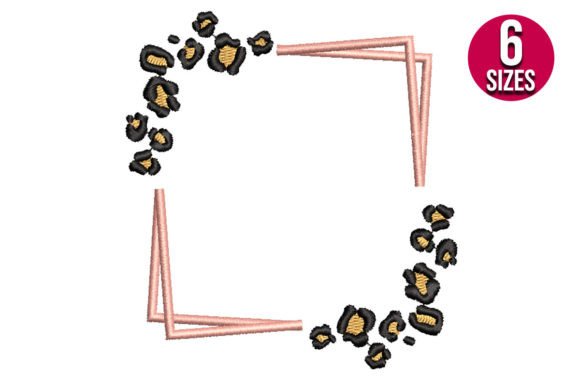
The moment I loaded the Leopard Print Frame into my digitizing software, the first thing that struck me was its versatility. The title suggests a bold, animal-print aesthetic, but the description hints at functionality. It is described as a stylish embroidery that will frame everything nicely. In the world of handmade products, "frame" designs are goldmines because they solve a problem for the buyer: they provide structure for personalization.
This design feels modern yet rustic enough to fit into farmhouse decor trends. It is not overly cute, nor is it aggressively wild. Instead, it strikes a balance that appeals to a broad demographic. When I imagine this on a table covered with linen cloths, the leopard print pattern provides high contrast and visual interest without overwhelming the eye. It screams "premium boutique item," which allows you to command a higher price point than a simple monogram.
Product Applications: Where Does It Shine?
Let’s talk about real-world application. A great embroidery file is useless if you cannot find ten different ways to use it. The Leopard Print Frame is exceptionally adaptable. Here is where I see the highest potential for sales volume:
- Tote Bags and Market Bags: This is arguably the strongest use case. A leopard print border framing a simple name or a witty quote on a canvas tote bag is a classic combination. The rugged texture of canvas holds up well against the potentially dense stitches of an animal print, ensuring the design doesn’t pucker.
- Kitchen Towels and Aprons: For the home cook, this adds a touch of personality. Framing a phrase like "Kitchen Queen" or a family name creates a giftable item that feels both functional and decorative. Tea towel embroidery often sells out quickly during holiday seasons, and this frame elevates a basic cotton towel into a specialty item.
- Embroidered Patches and Caps: If the design scales down well, it works beautifully as a patch. Attaching a framed leopard print patch to a denim jacket or a baseball cap offers a streetwear vibe that is currently trending. However, caution is needed here regarding scale (see notes below).
- Pillow Covers and Home Decor: For larger hoop sizes, this frame can surround a central motif or text on a throw pillow. It acts as a finished edge, giving the piece a professional, quilted look even if it is just embroidered.
Photography and Online Presentation
For the Etsy seller or the digital product creator, photography is half the battle. The Leopard Print Frame is highly photogenic. The high-contrast nature of black, brown, and tan spots photographs exceptionally well, catching light and shadow in a way that makes the embroidery look textured and tactile.
When creating printable mockups for your listing, this design stands out against neutral backgrounds. Whether you are selling the finished product or the digital embroidery file, the visual appeal is strong. It looks expensive. In online listings, customers scroll quickly; a design that reads clearly as "stylish" and "decorative" reduces bounce rates. It fits seamlessly into a brand consistent with boho-chic, modern farmhouse, or edgy minimalism.
Production Reality Check: Practical Considerations
As a designer, I must be honest about the technical challenges. Animal prints can be tricky. They often rely on small, repetitive details. Here is what you need to watch out for during production:
- Stitch Density and Fabric Texture: Ensure your stitch density is appropriate for the fabric. On thin, slippery fabrics, the frame may distort. Always use the right stabilizer—likely a cut-away for stability on stretchy items like caps or knits.
- Small Lettering and Clarity: The description mentions framing "beautiful words, quotes, names." You must test how much space remains inside the frame. If the leopard print is too wide, it will eat up the negative space needed for readable text. Tiny details in the print itself may lose clarity if you reduce the hoop size too much.
- Thread Colors: The choice of thread colors will define the mood. Black and white thread creates a stark, graphic look. Brown and tan threads offer a more traditional, earthy feel. Test multiple colorways to see which resonates with your target audience.
- Curved Surfaces: If applying to caps or curved pouches, the rigid nature of a full frame might cause puckering if not hooped correctly. Curved cap surfaces require careful tension adjustment.
Designer’s Checklist Before Production
Before you rush to produce these for your next craft fair booth, follow these steps:
- Test on Scrap Fabric: Never trust the screen. Stitch the Leopard Print Frame on the actual fabric you plan to sell. Check for registration issues or gaps in the print.
- Confirm Hoop Size: Verify the maximum and minimum hoop sizes supported by the embroidery file. This determines whether you can make a large pillow sham or only a small pouch.
- Inspect Stitch Quality: Look closely at the transitions between colors in the leopard print. Are there unnecessary jumps? Is the backing visible through the fabric?
- Commercial Licensing: Most importantly, confirm commercial licensing before selling finished products. Ensure you have the legal right to sell items made with this design assets package.
Final Verdict: A Strong Seller for Craft Fairs
The Leopard Print Frame is a smart addition to any machine embroidery design library. It bridges the gap between trendy fashion motifs and practical home goods. It is easy to understand at a glance, works as a small accent or a large focal design, and photographs beautifully for online listings.
For the small shop product owner, this design offers high perceived value. It transforms a plain tote bag or apron into a statement piece. While you must be mindful of stitch density and spacing for text, the rewards are significant. It is repeatable for batch production, allowing you to create inventory efficiently while maintaining a handmade quality that customers love.
Whether you are a seasoned pro or a new craft crafter, this frame design is worth testing. Create at least one real mockup, compare fabric colors, and see how it catches the eye in person. In the competitive world of handmade markets, visual distinction is key, and the Leopard Print Frame delivers exactly that.