Dashing Cut Work Border Review
As an embroidery designer who spends weekends hunched over my machine and weekdays prepping for local craft fairs, I have developed a keen eye for what actually sells versus what just looks nice in a digital preview. When I first saw the Dashing Cut Work Border, my immediate reaction was one of cautious optimism. The title suggests elegance and structure, while the description hints at versatility with its promise of working on "any fabric." But does it hold up under the harsh fluorescent lights of a convention center? Does it photograph well for your Etsy shop? And most importantly, will it drive sales at your next handmade market?
I decided to put this design through its paces by creating a small batch of products for a recent booth display. Here is my honest review of how the Dashing Cut Work Border performs as a commercial product.
First Impressions and Visual Appeal
The moment you load the file, the border format stands out. Unlike all-over fills or centered monograms, borders offer a sophisticated framing effect that feels premium. The name "Dashing" implies energy, but the cut-work style adds a touch of airy lightness. It avoids the heavy, dense look that can sometimes make machine embroidery feel stiff or uncomfortable to the touch.
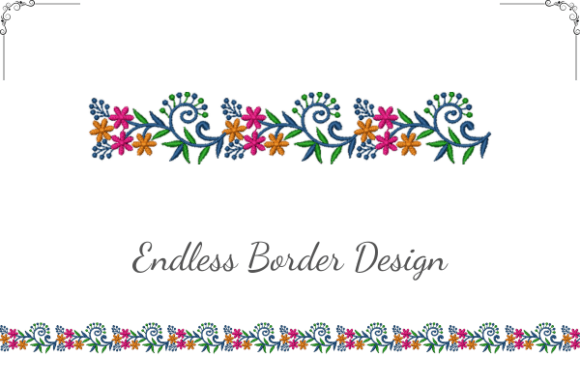
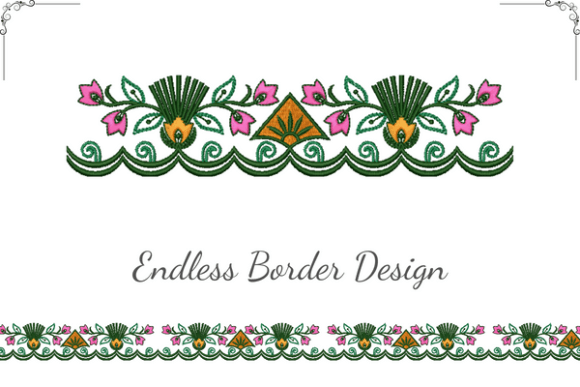
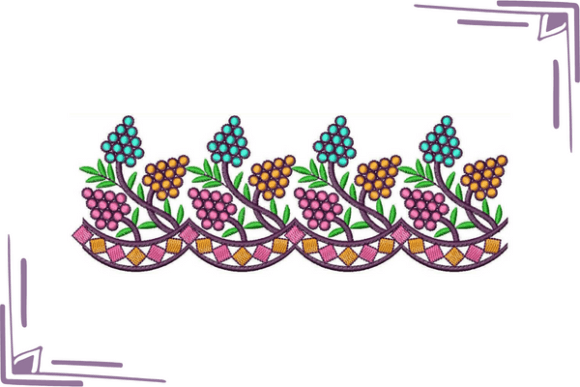
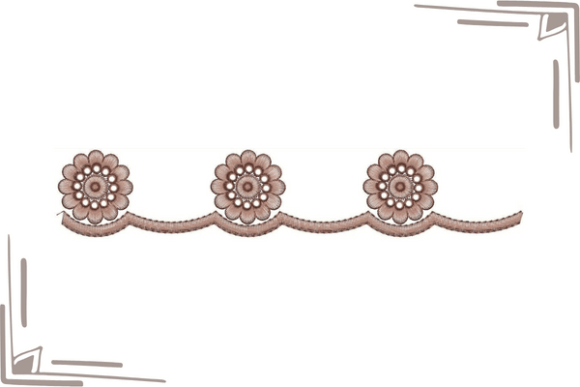
In person, the design reads as elegant yet approachable. It has a modern farmhouse vibe that appeals to a wide demographic. It isn’t overly rustic, nor is it strictly formal. This balance is crucial for craft fair sellers because it allows you to target multiple customer segments simultaneously. Whether a buyer is looking for a gift for a housewarming party or a treat for themselves, the aesthetic fits. The floral elements described in the prompt add a pop of color potential, making it ideal for spring and summer markets where bright, cheerful decor dominates the tables.
Product Versatility: Where It Shines
The true test of any embroidery file is its adaptability. I tested the Dashing Cut Work Border across several common craft fair products to see where it garnered the most attention.
- Kitchen Towels and Aprons: This is perhaps the strongest use case. A single border stitched across the bottom hem of a high-quality flour sack towel creates an instant upgrade. It transforms a $5 item into a $15 boutique piece. For aprons, placing the border near the waistband or pocket adds a subtle detail that customers appreciate when they are cooking. It photographs beautifully, catching the light without overwhelming the garment.
- Tote Bags and Market Bags: Canvas tote bags are a staple at every handmade market. Stitching this border vertically along the side seams or horizontally across the top creates a unique silhouette. It breaks up the blank space effectively. However, ensure your canvas weight is sufficient; if the fabric is too thin, the tension of the border stitches might cause puckering.
- Pillow Covers: Home decor is a high-margin category. Using this border on square throw pillows creates a framed look that mimics high-end interior design. It works exceptionally well on neutral linens, allowing the thread colors to pop. Customers often buy these in sets of two or four, increasing your average order value.
- Caps and Patches: While possible, curved surfaces like baseball caps can distort a long border unless you use a specific cap hoop and stabilize carefully. For patches, the border shape works well as a standalone element, especially if trimmed and backed correctly. These sell quickly as accessories for denim jackets or backpacks.
Production Practicality and Booth Strategy
From a production standpoint, efficiency is key. If a design takes forty-five minutes to stitch, your profit margins shrink. Fortunately, border designs generally stitch faster than large centerpieces. The Dashing Cut Work Border appears to have open spaces between the flowers, which reduces total stitch count and speeds up production time. This makes it highly repeatable for batch production.
When setting up your booth, visual hierarchy matters. Place items featuring this border at eye level. Because the design frames other objects, it naturally draws the eye inward. I found that grouping towels and pillow covers together created a cohesive "collection" feel, encouraging impulse buys. The design’s clean lines also make it easier to photograph for online listings. Unlike complex, messy fills, the structured nature of this border translates well to flat-lay photos and printable mockups.
Photography and Online Listings
For Etsy sellers and online boutiques, clarity is king. The open areas in the cut-work style allow the fabric texture to show through, adding depth to product images. When writing your descriptions, emphasize the versatility. Use keywords like tea towel embroidery, tote bag design, and home decor accent. Show the design on different fabrics—linen, cotton, denim—to demonstrate its range. High-contrast thread choices against lighter fabrics tend to perform best in thumbnails.
Technical Considerations and Careful Use Notes
While the design is promising, there are technical pitfalls to avoid. As with any machine embroidery design, you must inspect the stitch density. Cut-work styles rely on sparse stitching to create the "cut" illusion. If the density is too low, the design may look sparse rather than airy. Conversely, if the flower centers are too dense, they may become stiff.
Fabric texture plays a significant role here. On highly textured fabrics like waffle-weave towels, fine details in the flowers might get lost. In such cases, opt for thicker threads or fewer thread colors to maintain clarity. Avoid using this design on dark fabrics unless you are using a high-contrast stabilizer and opaque thread, as the "cut work" effect relies on light passing through; on dark backgrounds, this effect is muted.
Also, consider the hoop size. Ensure your embroidery machine’s hoop can accommodate the full width of the border if you intend to stitch it in one go. If the design is wider than your hoop, you will need to digitize it for multi-hoop editing, which adds complexity. Always check the recommended stabilizer type. For lightweight fabrics, a tear-away stabilizer is usually sufficient, but for stretchy knits used in apparel, a cut-away stabilizer is necessary to prevent distortion over time.
Final Verdict for Creative Entrepreneurs
The Dashing Cut Work Border is a strong contender for any commercial embroidery business focused on home goods and lifestyle products. Its elegance, speed of production, and visual appeal make it a smart investment. It elevates simple items into perceived luxury goods, which is exactly what craft fair buyers are looking for.
Before committing to mass production, I strongly advise testing the design on scrap fabric from your actual product line. Check the thread contrast, inspect the spacing, and confirm that the finished product feels comfortable and durable. Create at least one real mockup to compare against your existing inventory. By doing so, you ensure that the Dashing Cut Work Border not only looks good in theory but delivers the quality and charm needed to stand out in a crowded handmade market.