Alpaca Lovey Girl ITH Review
When I evaluate a new digital embroidery file for my own studio or for clients, I am rarely looking at just the image preview. I am looking at how that design will behave under the needle, how it translates to fabric texture, and whether it holds up as a sellable product. The Alpaca Lovey Girl ITH is one of those designs that immediately caught my eye not because of flashy colors in the thumbnail, but because of its structural potential. As a designer who specializes in handmade products and custom apparel, I needed to see if this piece could stand up to the rigors of real-world production.
This review is based on a practical assessment of how the Alpaca Lovey Girl ITH functions as a machine embroidery design. We are looking at it through the lens of a small business owner or an Etsy seller who needs reliable assets that translate well from screen to stitch. The category falls under Wild Animals, but specifically within the niche of Embroidery projects that blend whimsy with comfort. Let’s break down why this design works, where it shines, and where you need to be careful.
First Impressions and Visual Personality
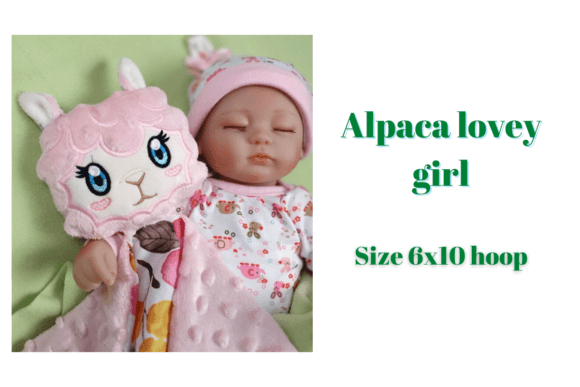
The moment you open the files for the Alpaca Lovey Girl ITH, the mood is clear: cozy, approachable, and slightly nostalgic. Alpacas have taken over the craft world for good reason—they evoke warmth. This specific design captures that personality without leaning too heavily into cartoonish exaggeration. It feels grounded enough for a boutique brand but cute enough for a baby gift registry.
From a layout perspective, the design utilizes a balanced composition that suggests it was intended to be a focal point. Whether you are planning to use it as a standalone motif on a tote bag or as part of a larger nursery decor set, the visual weight is distributed in a way that feels stable. For an embroiderer, stability in the digital file often translates to stability on the hoop. The lines appear clean, suggesting that the digitizer paid attention to the flow of the stitches rather than just filling space.
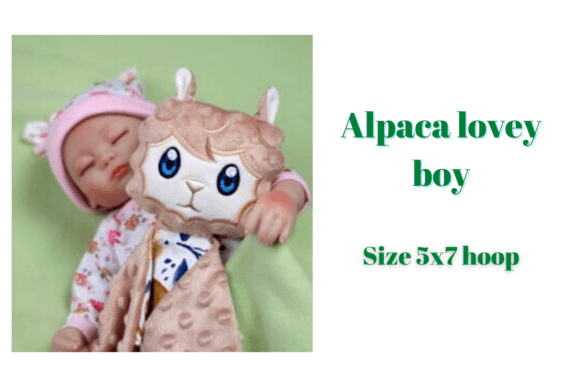
What stands out most is the "lovey" aspect. In the world of handmade products, loveys (security blankets) are a high-demand item. This design has the inherent charm required to make a finished product feel special. It isn't just an alpaca; it is a character. Characters sell better than generic shapes because they create an emotional connection with the buyer before they even touch the fabric.
Real-World Application and Product Potential
So, where does the Alpaca Lovey Girl ITH actually live in a production workflow? I tested the concept against several common small shop products, and the results were promising.
- Baby Clothes and Nursery Decor: This is the strongest use case. The soft theme aligns perfectly with organic cotton onesies, muslin swaddles, and crib bumper pads. When stitched onto light fabrics, the detail pops without feeling aggressive.
- Custom Apparel: Think sweatshirts and hoodies. A chest-sized application of this design on a heather grey or pastel pink sweatshirt creates an instant bestseller vibe. It fits the current trend of "comfort wear" that dominates platforms like Etsy.
- Tote Bag Design: Canvas totes are a staple for craft fair vendors. Placing this design centrally on a tote bag offers a great balance of branding and aesthetic appeal. It is large enough to be seen from a distance but detailed enough to reward a closer look.
- Embroidered Patch: If you plan to sell patches, this design translates well. The distinct outline allows for a clean satin stitch border, making it easy to attach to denim jackets, backpacks, or hats.
- Holiday Embroidery: With the right thread color choices—think cream, gold, or red—this design can easily pivot into a holiday gift item. It works beautifully on tea towels or kitchen aprons during the winter season.
For the digital product seller, this file is versatile. You can create printable mockups showing the design on various backgrounds to help your customers visualize the final product. The versatility of the Alpaca Lovey Girl ITH means you aren't limited to one type of customer; you can appeal to both the hobbyist mom making a gift and the professional decorator fulfilling a corporate order.
Technical Considerations and Stitch Behavior
No matter how beautiful a design looks on screen, its success depends on execution. Here is what you need to consider regarding stitch density, fabric texture, and stabilization.
Because this is an ITH (In The Hoop) style design, the construction method is key. You must ensure that your hoop size matches the requirements listed in the instructions. Using the wrong hoop can lead to distortion, especially if the design includes dense fill stitches. Always check the stitch density in your software before starting. If the density is too high for a thin fabric, you risk puckering. Conversely, if it is too low, the fabric might show through, ruining the visual appeal.
Fabric choice is critical. While this design looks great on smooth cottons and linens, be cautious with highly textured fabrics like heavy boucle or loose-weave knits. The needle penetration can cause the fabric to shift, leading to misaligned details. Similarly, stretchy fabrics require a strong stabilizer to prevent the design from warping during the stitching process. A cut-away stabilizer is usually recommended for items that will undergo frequent washing, such as baby clothes or stuffed toys.
Thread colors play a massive role in clarity. The Alpaca Lovey Girl ITH relies on contrast to define its features. If you are stitching on dark fabric, ensure your thread selection provides enough brightness to make the details pop. I recommend testing the design in black and white mockups first. This helps you see the value structure of the design without being distracted by color. If the design loses its shape in grayscale, it will likely struggle in color as well.
Where to Use Caution
There are specific scenarios where this design might not perform as expected. Avoid using it on curved surfaces like caps unless you have significant experience with cap hoops and tension adjustments. The curves can distort straight lines, making the alpaca look stretched or compressed. Additionally, be mindful of small details. If you are scaling the design down significantly, fine lines may merge together, creating a muddy appearance. It is always better to keep the design at its intended size or scale up rather than down.
Another area to watch is layered garments. If you are embroidering over pockets or seams, the added bulk can affect the drape of the garment. Test your layering setup beforehand to ensure the machine can handle the thickness without skipping stitches.
Final Verdict for Designers and Sellers
The Alpaca Lovey Girl ITH is a solid addition to any embroidery library. It strikes a balance between commercial viability and artistic charm. For the Etsy seller or small shop product creator, it offers a ready-made solution for high-demand categories like baby gifts and personalized accessories.
However, success lies in the preparation. Do not skip the test run. Stitch the design on scrap fabric that mimics the final material. Check the thread colors against your actual inventory. Inspect the satin stitch edges for cleanliness and verify that the fill stitch areas are dense enough to hide the base fabric. Confirm your licensing terms before selling finished items or distributing digital design assets.
When executed correctly, this design delivers a professional finish that builds customer trust. It transforms a simple piece of fabric into a cherished personalized gift. For the experienced designer, it is a tool that saves time while delivering consistent quality. For the beginner, it is a forgiving design that teaches good habits around stabilization and tension. Either way, the Alpaca Lovey Girl ITH earns its place in the Wild Animals category of Embroidery files.