365 Black History Embroidery Review
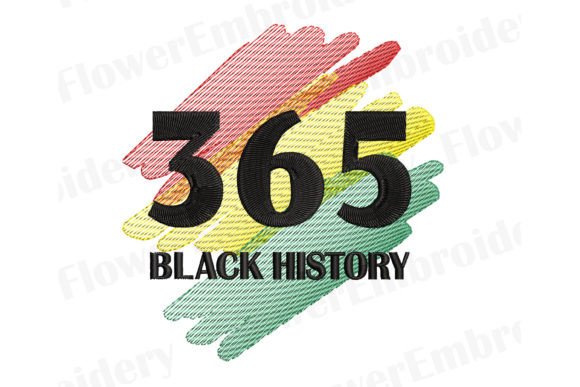
Walking up to a craft fair booth on a Saturday morning, you have about three seconds to make an impression. The sun is bright, the noise level is high, and customers are scanning dozens of tables for something that feels authentic, meaningful, and well-made. As an embroidery designer who has spent years turning digital files into tangible products, I look at a design not just as art, but as a potential bestseller. When I reviewed the 365 Black History machine embroidery design, my first thought wasn’t just about aesthetics—it was about marketability. This isn’t just another decorative motif; it is a statement piece with serious commercial potential for handmade sellers, Etsy shop owners, and boutique makers.
First Impressions: Bold, Empowering, and Ready to Sell
The title 365 Black History carries immediate weight. In the world of handmade products, designs that speak to identity, heritage, and daily empowerment tend to perform exceptionally well because they resonate on a personal level. From a design perspective, this feels modern, clean, and premium. It avoids being overly ornate or "farmhouse" in a way that might date quickly. Instead, it strikes a balance between minimalism and boldness. For a craft fair seller, this clarity is crucial. A customer walking by doesn’t need to squint to understand the message. It reads instantly.
The description promises a "cool and empowering accent," which suggests versatility. It isn’t shouting for attention with excessive clutter; it is confident enough to stand alone. This makes it ideal for a variety of products where the text or graphic needs to be the focal point without overwhelming the fabric’s texture. Whether you are creating gifts for African American Heritage Month or year-round apparel, this design asset offers a sophisticated touch that elevates any handmade product.
Product Applications: Where Does It Shine?
Not every embroidery file works equally well on every item. Based on the nature of 365 Black History, here is how I see it performing across different categories for your booth or online store:
- Tote Bags and Market Bags: This is perhaps the strongest application. A canvas tote bag provides a large, flat surface that allows the design to breathe. Whether placed centrally on the front panel or subtly on the side pocket, the contrast between the thread and the natural or black canvas will pop. It transforms a basic accessory into a conversation starter.
- Aprons and Tea Towels: For kitchen-focused buyers, this design adds a layer of personality. On a white tea towel, it serves as a beautiful decorative accent. On a darker apron, it becomes a functional yet stylish statement. These items are often impulse buys at craft fairs because they are giftable and practical.
- Caps and Headwear: Embroidering onto curved surfaces requires precision. If the design is compact, it can work beautifully on the front panel of a baseball cap or a structured bucket hat. However, ensure the hoop size accommodates the curve without distortion. A well-executed cap design signals high-quality craftsmanship to the buyer.
- Patches and Pouches: Smaller applications, like a fabric pouch or a detachable patch, allow for lower price points while still showcasing the design. These are great for adding volume to your sales if higher-ticket items like hoodies move slower.
- Hoodies and T-Shirts: While the description mentions these garments, remember that embroidery on knit fabrics requires specific stabilizers to prevent puckering. A centered chest logo or a smaller back-neck placement can offer a subtle, premium feel that appeals to those who prefer understated branding.
Practical Selling and Production Notes
As a designer, I always advise testing before producing in bulk. Here are critical considerations for bringing 365 Black History to life:
Stitch Density and Detail
Check the stitch density carefully. If the design includes fine lines or tiny lettering, ensure your machine can handle it without skipping stitches. Designs with dense fill areas may require a cut-away stabilizer, especially on stretchy fabrics like t-shirt material. For woven cottons used in tote bags or aprons, a tear-away stabilizer might suffice, but always test first. If the design loses clarity when scaled down, consider keeping it larger rather than forcing it into a small space where details become muddy.
Thread Contrast and Color
The visual impact of this design relies heavily on thread choice. On light fabrics, dark threads (black, navy, charcoal) will provide sharp contrast. On dark fabrics, metallic gold, silver, or bright white threads can create a stunning, luxurious effect. Avoid low-contrast combinations unless the design is very large. Remember, you want the text to be legible from five feet away at a busy market.
Fabric Texture Matters
Embroidery interacts differently with various textures. A smooth polyester blend will render crisp edges, while a rough linen or heavy denim might hide some of the finer details. Test your embroidery file on the actual fabric you plan to sell. If using textured towels, ensure the pile doesn’t interfere with the hooping process or cause uneven stitching.
Photography and Online Listings
For Etsy sellers and digital sellers, photography is half the battle. Create at least one real mockup of the finished product. Natural lighting works best to show the true color of the threads and the texture of the stitches. Show the item being worn or used—a model holding the tote bag or wearing the cap gives buyers a better sense of scale. Include close-up shots that highlight the quality of the stitching, as this reassures customers of the handmade value.
Brand Consistency and Booth Display
When setting up your booth, consistency builds trust. Using 365 Black History across multiple product types—such as matching tote bags, aprons, and patches—creates a cohesive brand story. It shows customers that you have a curated collection, not just random items. This design’s empowering message aligns well with brands focused on inclusivity, social awareness, and community support. It attracts buyers who are looking for more than just a commodity; they want to support a maker who shares their values.
Commercial Licensing and Ethics
Before selling finished products, confirm the commercial licensing terms of the digital embroidery file. Most reputable designers allow commercial use for physical goods, but restrictions may apply regarding the number of units or specific platforms. Always respect intellectual property rights to protect your business reputation.
Final Verdict
The 365 Black History embroidery design is a versatile, impactful addition to any maker’s toolkit. Its bold message and clean execution make it suitable for a wide range of products, from everyday carry items to special occasion gifts. By paying attention to stitch density, thread contrast, and fabric choice, you can produce high-quality items that stand out in both physical markets and online shops. It is not just an embroidery design; it is a tool for connection, celebration, and commerce. If you are looking to add depth and meaning to your craft fair product lineup, this design deserves a spot in your production queue.